
When to swim, when to ski the coast, when to hike Plitvice in autumn colour. A practical month-by-month breakdown for planning your Croatia trip.
Croatia has four very distinct travel seasons, and choosing the right one can change the whole feel of your trip. A July afternoon in Dubrovnik old town is a different experience from a May morning. Here is what to expect across the calendar.
TL;DR
- Best overall: late May to mid June, and September.
- Best for swimming: July and August (warmest sea), September (warm and quieter).
- Best for hiking and nature: late April to early June, and October.
- Best for budgets: November to March (excluding Christmas and New Year on the coast).
January
- Weather: 5–10 °C on the coast, colder inland. Wet.
- Sea: too cold to swim, around 13 °C.
- Crowds: very quiet outside cities.
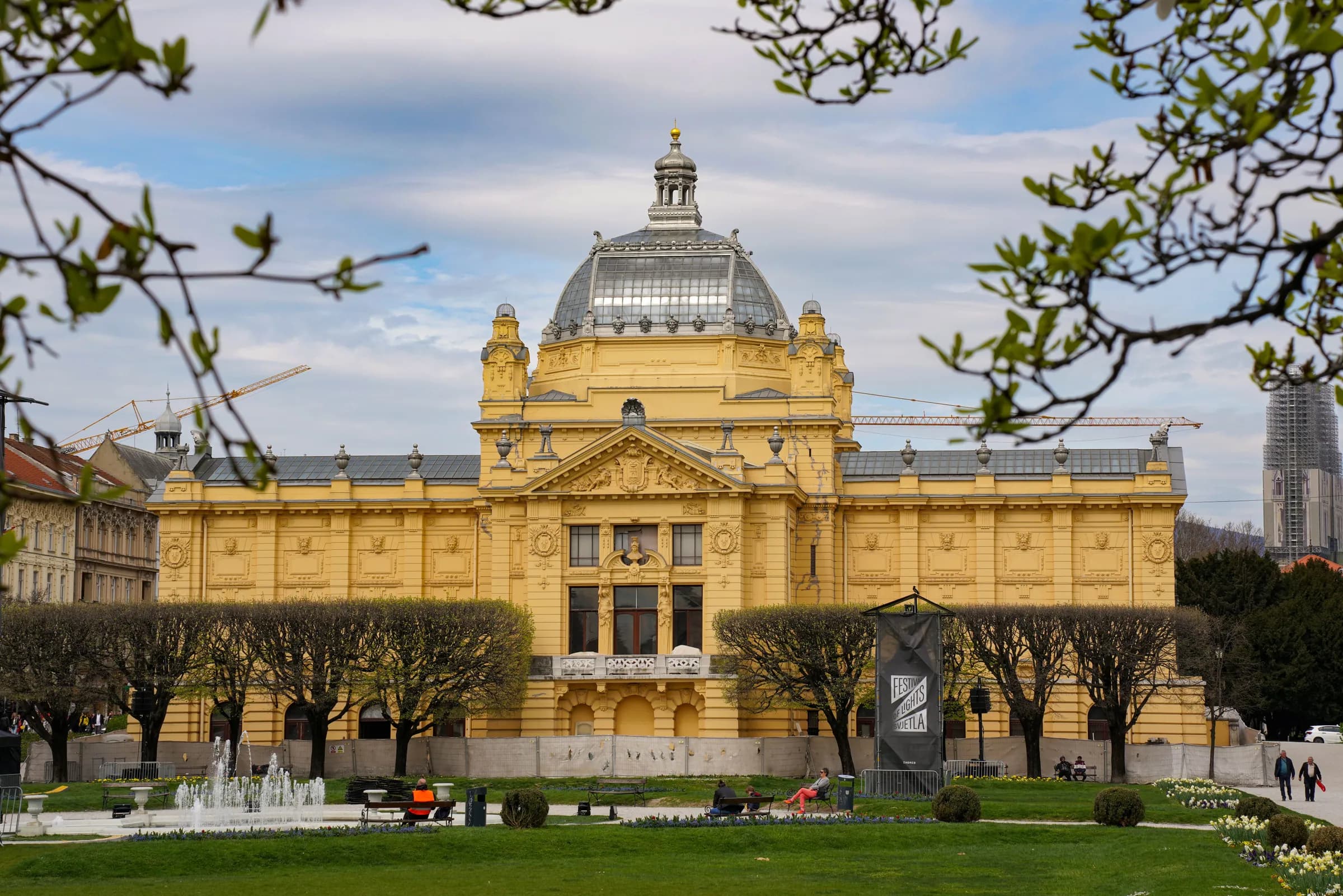
- Why come: Zagreb's Advent runs into early January and is excellent. Plitvice can freeze into a surreal landscape but check trail conditions before going.
February
- Similar to January, slightly more rain. Carnival season — Rijeka Carnival is one of the biggest in Europe.
- A good time for off-season city breaks (Split, Zagreb, Zadar) without the summer crush. Most restaurants on the islands are still closed.
March
- Weather: 8–14 °C, occasional warm spells.
- Sea: still cold (14 °C) — wetsuit territory only.
- Almond and cherry trees start blooming inland, daffodils in the Dalmatian hinterland.
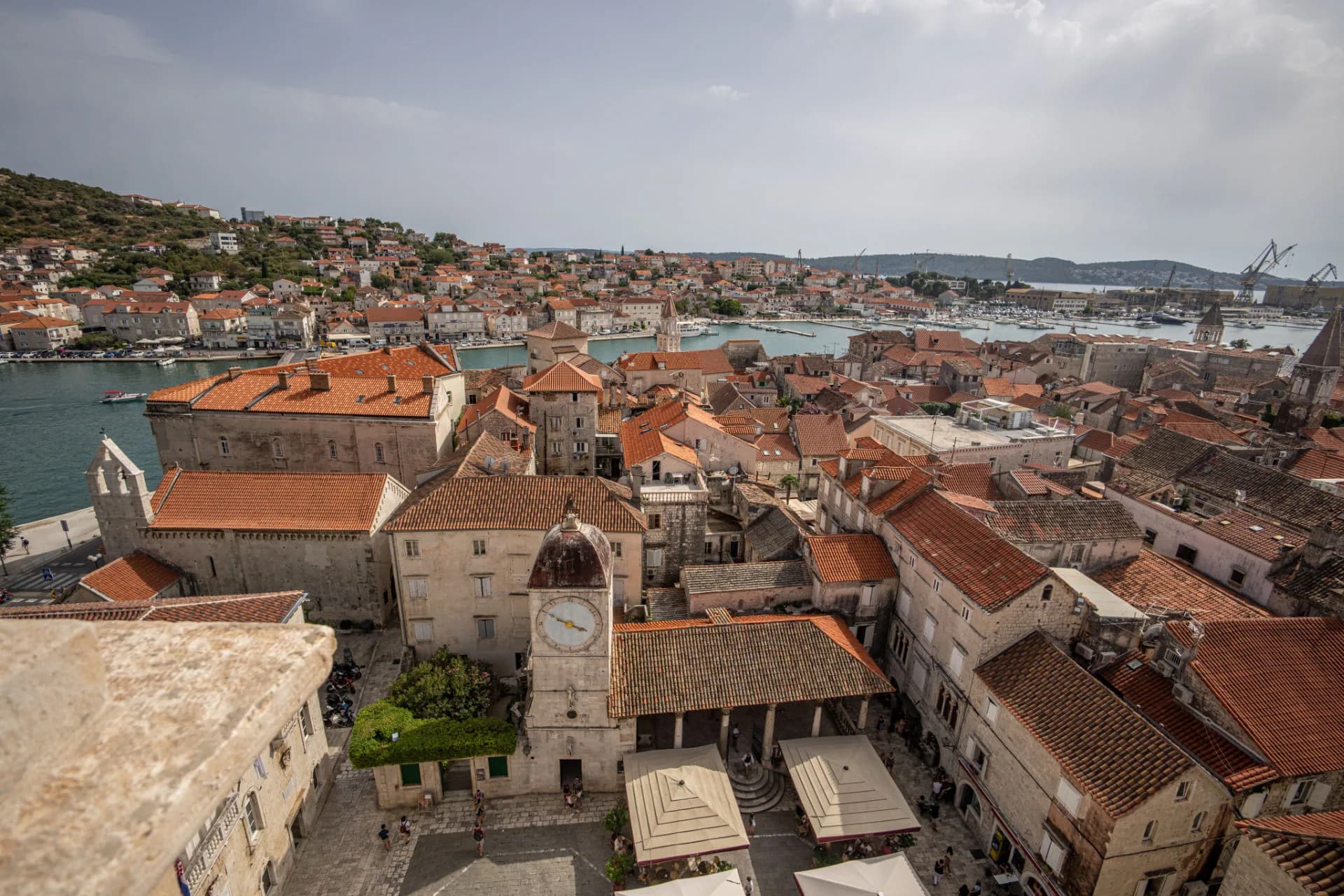
- Good month for food tours, gallery visits and walking the empty old towns of Dubrovnik and Trogir.
April
- Weather: 14–20 °C. Spring is in full swing.
- Sea: 15–17 °C — most people don't swim yet.
- Crowds: still low, especially before Easter.
- Plitvice and Krka start to look their best as snowmelt fills the cascades. National parks are accessible without the bus crowds. Wildflowers everywhere.
May
- Weather: 19–25 °C. Stable, sunny.
- Sea: 18–21 °C — first proper swim of the year mid-month.
- Crowds: building but still very pleasant.
- Excellent month for walking the city walls, day-trip to Mostar, and the islands begin to wake up.
- Late May is one of the very best windows to visit Croatia. Long days, low crowds, prices still moderate.
June
- Weather: 24–29 °C. Long sunny days.
- Sea: 22–24 °C — proper swimming season.
- Crowds: heavier from mid-month. School holidays haven't started.
- Festivals begin (Dubrovnik Summer Festival starts in July). Boats and ferries run full summer schedule.
July
- Weather: 28–32 °C, sometimes hotter.
- Sea: 24–26 °C — at its best.
- Crowds: peak. Hotels are full, prices peak, restaurants need reservations.
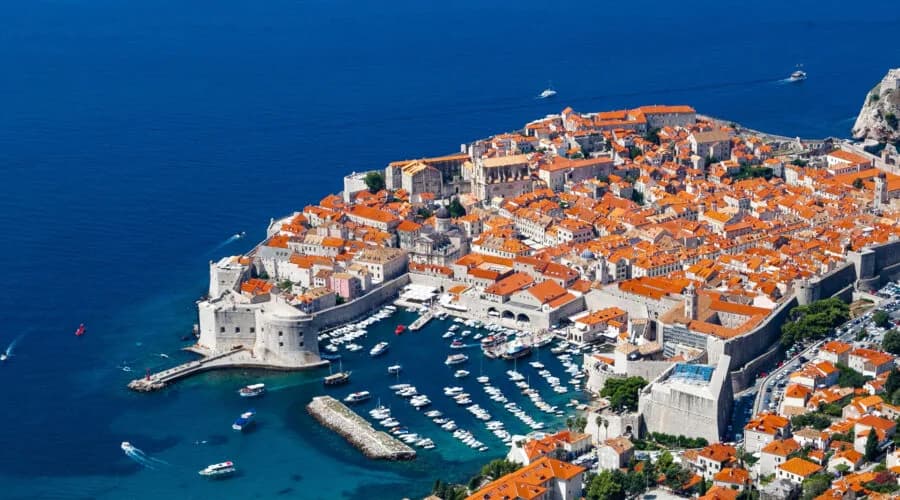
- For beach days and island hopping this is the obvious month, but the cities — especially Dubrovnik old town at midday — can feel overrun. Start early or visit out-of-hours.
August
- Similar to July, slightly hotter. 15 August (Velika Gospa) is a public holiday — expect crowded ferries.
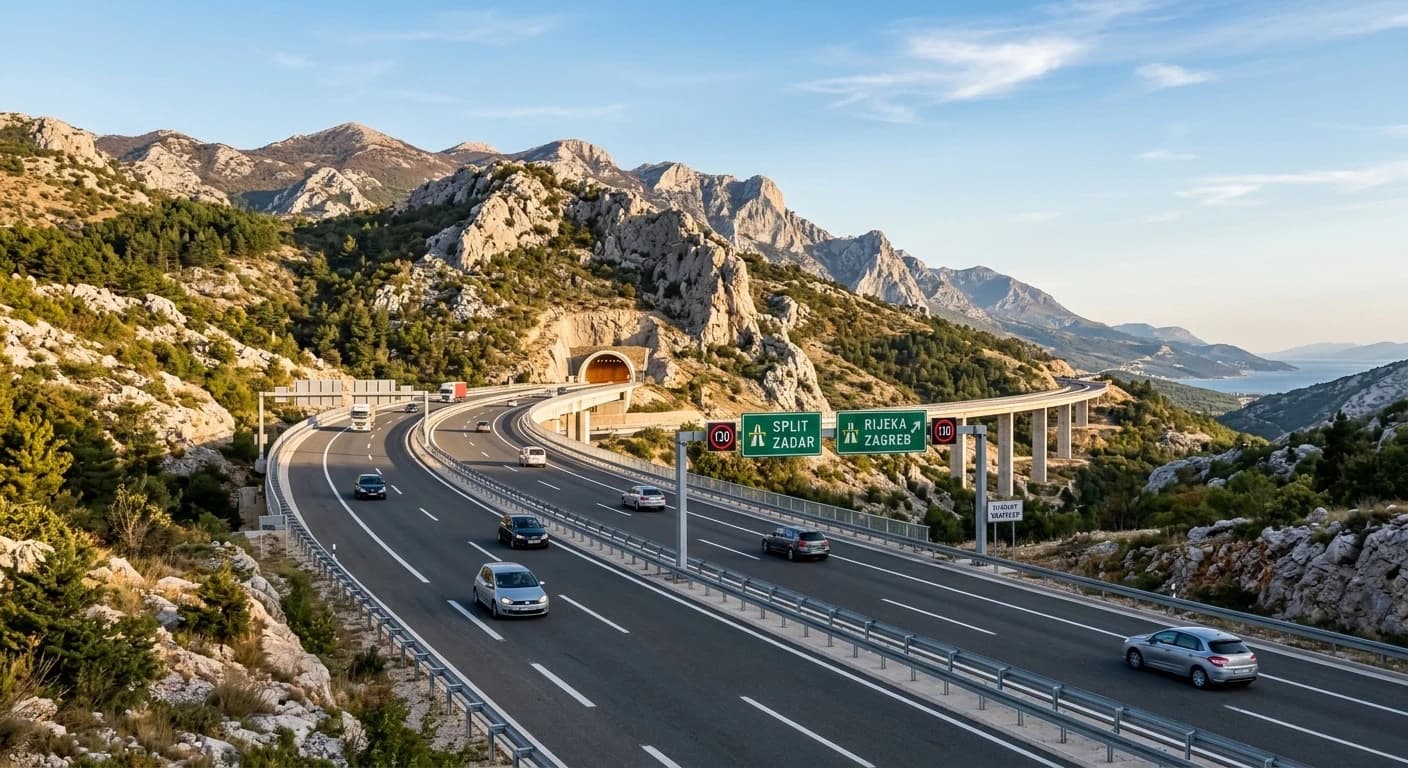
- A good private transfer day from Split to Dubrovnik in August means leaving by 07:30 to avoid bottlenecks at Neum and Ston.
September
- Weather: 24–28 °C in the first half, cooling to 20–23 °C late month.
- Sea: 23–25 °C — still very swimmable, the water holds its July warmth.
- Crowds: drop sharply after the first week.
- Many regulars consider September the single best month to visit Croatia. The weather is summer, the crowds are spring.
October
- Weather: 18–24 °C first half, cooler later. Some rain.
- Sea: 21–23 °C — still possible for sea lovers.
- Crowds: very pleasant.
- Plitvice in late October is one of the most photogenic experiences in Croatia — autumn colour reflected in the green water.
November
- Weather: 11–15 °C, rainy.
- The islands more or less close down. Cities and inland Croatia remain interesting if you don't need beach weather.
- Truffle season inland (Istria).
December
- Weather: 5–10 °C, occasionally warmer on the coast.
- Zagreb Advent is one of the best Christmas markets in Europe.
- Split, Zadar and Rijeka also do nice (smaller) Christmas markets.
- Most coastal restaurants and excursions are quiet — a calm, slightly melancholic Adriatic.
Picking your month, by traveller type
- Honeymoon, swimming, sunset dinners: September, then late May, then June.
- Families with school-age kids: late June or first week of September if your school allows.
- Photography and nature: late April–early June and October.
- Lowest prices, fewest crowds: mid March, mid November.
- Festivals and atmosphere: mid July in Dubrovnik for the Summer Festival.
Planning around the weather
For private tours and transfers, weather only really affects three things:
- Ferries to the islands — strong south winds (jugo) can cancel ferries in winter and shoulder seasons.
- Plitvice trails — heavy rain can close lower lakes temporarily.
- Hot midday tours in cities — we schedule old-town walks for morning or late afternoon in July and August.
A private driver can shift the day's plan in real time when needed — one of the small perks of not being on a fixed bus schedule.
When you're ready, send us your dates and we'll suggest the best combination of tours, transfers and rest days for the season you've picked.
Frequently asked questions
What is the best month to visit Croatia?
The best overall windows are late May to mid June, and September. Many regulars consider September the single best month: the weather is still summer, the sea is 23 to 25 °C and crowds drop sharply after the first week. Late May brings long days, low crowds and moderate prices.
When is the sea warm enough to swim in Croatia?
The first proper swim of the year is in mid May, with the sea at 18 to 21 °C. June is proper swimming season at 22 to 24 °C, July and August have the warmest sea (24 to 26 °C in July), and September still holds 23 to 25 °C.
When is Croatia cheapest to visit?
November to March is best for budgets, excluding Christmas and New Year on the coast. For the lowest prices and fewest crowds, aim for mid March or mid November. The trade-off: most island restaurants are still closed in February, and the islands more or less close down in November.
When is the best time to see Plitvice Lakes?
April and late October are the standout months. In April, snowmelt fills the cascades and the national parks are accessible without the bus crowds, while late October brings autumn colour reflected in the green water. Heavy rain can temporarily close the lower lakes.
Are July and August a good time to visit Croatia?
Yes for beach days and island hopping, as the sea is at its best, but July and August are peak season: hotels are full, prices peak and restaurants need reservations. Dubrovnik old town can feel overrun at midday, so start early. On 15 August (Velika Gospa), a public holiday, expect crowded ferries.
Ready to book
Let us plan this for you.
Send your dates and group size, and we'll come back with a private tour or transfer plan that fits the day you just read about.